Comprehensive Overview to the Uses and Production Techniques in Light Weight Aluminum Factory Workflow
The considerable guide to aluminum foundry procedures offers crucial insights right into the varied applications of aluminum across different sectors. It methodically analyzes vital manufacturing strategies, thawing processes, and molding methods that add to accuracy and high quality. Furthermore, the overview highlights the relevance of completing procedures that boost both mechanical homes and appearance. Recognizing these aspects is necessary for any individual associated with aluminum production, raising inquiries regarding best techniques and developments in the area.
Summary of Light Weight Aluminum Casting Applications
In addition, the construction industry gain from light weight aluminum spreadings in architectural elements and architectural aspects, using longevity and resistance to deterioration. Durable goods, such as cooking equipment and appliances, also make use of light weight aluminum spreadings for their warmth conductivity and visual appeal. The electronic devices field relies on aluminum for housings and warmth sinks, ensuring efficient thermal monitoring. Overall, aluminum spreading's versatility enables it to meet varied market requirements efficiently, solidifying its relevance in contemporary manufacturing practices.
Trick Manufacturing Techniques in Aluminum Factory
In the domain of light weight aluminum factory operations, numerous manufacturing techniques play a pivotal duty in shaping the final items that serve varied markets. Casting Foundry. Secret techniques consist of sand casting, die spreading, and investment casting, each offering distinct benefits based on the application needs
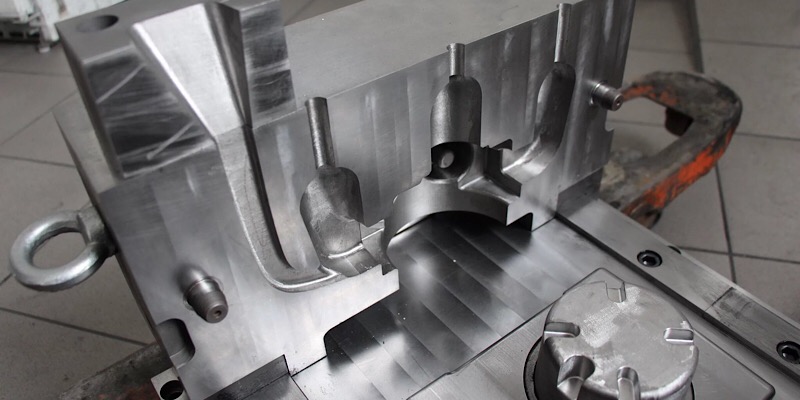
Sand casting uses a mix of sand and binder to develop molds, permitting for complicated geometries at reduced costs. Pass away casting, on the various other hand, employs high-pressure injection of liquified aluminum right into steel mold and mildews, making sure precision and a smooth surface area finish, ideal for high-volume manufacturing. Financial investment casting provides remarkable dimensional precision and surface high quality, making it appropriate for intricate styles.
In addition, techniques such as long-term mold and mildew casting and gravity die casting additionally improve the adaptability of aluminum factory procedures (Casting Foundry). Each method is selected based upon variables like production volume, part intricacy, and material properties, guaranteeing favorable outcomes throughout numerous applications
Thawing Procedures and Temperature Control
Efficient melting procedures and specific temperature control are fundamental for achieving perfect aluminum foundry operations. The melting of aluminum usually includes numerous approaches, consisting of crucible melting, induction melting, and rotating melting, each with its very own benefits and applications. Crucible melting is commonly used for small batches, while induction melting offers efficient heating and uniform temperature distribution.

Molding Techniques for Accuracy Castings
Mastering molding strategies is necessary for creating precision spreadings in aluminum factory operations. Various approaches, such as sand, investment, and pass away casting, play a critical duty in accomplishing wanted resistances and surface area finishes. Sand spreading, for instance, utilizes a mixture of sand and binder to produce molds, permitting large parts and elaborate layouts. Investment spreading, on the various other hand, uses wax patterns that are covered in ceramic material, leading to very outlined and specific shapes. Pass away casting uses high-pressure injection of liquified light weight aluminum into steel mold and mildews, guaranteeing regular measurements and quick production rates.
Each strategy has its advantages and is chosen based on aspects such as intricacy, volume, and mechanical homes called for. Reliable mold style, consisting of airing vent and gating systems, further improves the top quality and accuracy of the finished product. Recognizing these molding techniques allows factories to fulfill specific industry requirements and boost total operational efficiency.
Finishing Processes to Improve Light Weight Aluminum Elements
Ending up processes play a critical duty in boosting the efficiency and appearances of light weight aluminum elements. These procedures, which adhere to spreading, aim to improve surface area top quality, deterioration resistance, and mechanical homes. Typical techniques include machining, which improves measurements and surface area coating, and polishing, which enhances aesthetic allure by developing a smooth, reflective surface area.
Anodizing is one more significant procedure, providing a resilient oxide layer that secures against wear and corrosion while permitting color customization. Additionally, powder covering offers a large array of colors and finishes, making sure both protection and aesthetic improvement.
In many cases, components might go through shot blasting to remove contaminations and enhance attachment for subsequent coverings (aluminum metal casting). On the whole, these completing processes are essential for maximizing the performance and lifespan of light weight aluminum components, making them ideal for diverse applications throughout various sectors
Regularly Asked Concerns
What Safety Procedures Are Essential in Aluminum Factory Workflow?
In light weight aluminum shop procedures, crucial precaution consist of individual safety equipment, correct ventilation, fire prevention procedures, regular tools maintenance, training for workers on threats, and maintaining clear emergency procedures to assure a risk-free workplace.
Exactly How Do Environmental Laws Influence Aluminum Foundries?
Environmental guidelines considerably affect light weight aluminum shops by enforcing requirements for exhausts, waste administration, and source consumption. Compliance usually necessitates investments in cleaner procedures and modern technologies, inevitably influencing functional prices and manufacturing efficiency Full Report within the industry.
What Career Opportunities Exist in Aluminum Foundry Workflow?
Different occupation possibilities in light weight aluminum shop procedures consist of duties such as shop professional, mold and mildew developer, quality assurance inspector, procedure Casting Foundry designer, and manufacturing supervisor, each adding to reliable production and ingenious procedures within the market.
Just How Is Top Quality Control Achieved in Light Weight Aluminum Casting?
Quality control in aluminum casting is accomplished via strenuous inspections, standardized screening treatments, and using sophisticated innovations. Routine monitoring of temperature level, make-up, and dimensional precision assurances products fulfill defined requirements and client demands.
What Are the Common Issues in Light Weight Aluminum Castings and Their Causes?
Usual flaws in aluminum spreadings consist of contraction, porosity, and surface roughness. Causes typically stem from incorrect mold layout, inadequate putting techniques, and contamination, influencing the overall honesty and performance of the end product.
The extensive guide to light weight aluminum factory procedures provides essential insights into the diverse applications of aluminum throughout various sectors. Aluminum spreading plays a vital function in different industries due to its convenience and beneficial residential properties. Die casting, on the various other hand, employs high-pressure shot of liquified aluminum right into steel mold and mildews, ensuring precision and a smooth surface area finish, ideal for high-volume manufacturing. In addition, techniques such as irreversible mold spreading and gravity die casting even more boost the versatility of aluminum shop procedures. Mastering molding methods is essential for creating precision spreadings in light weight aluminum foundry operations.